
Carry clear tree-care scope from quote to crew handoff
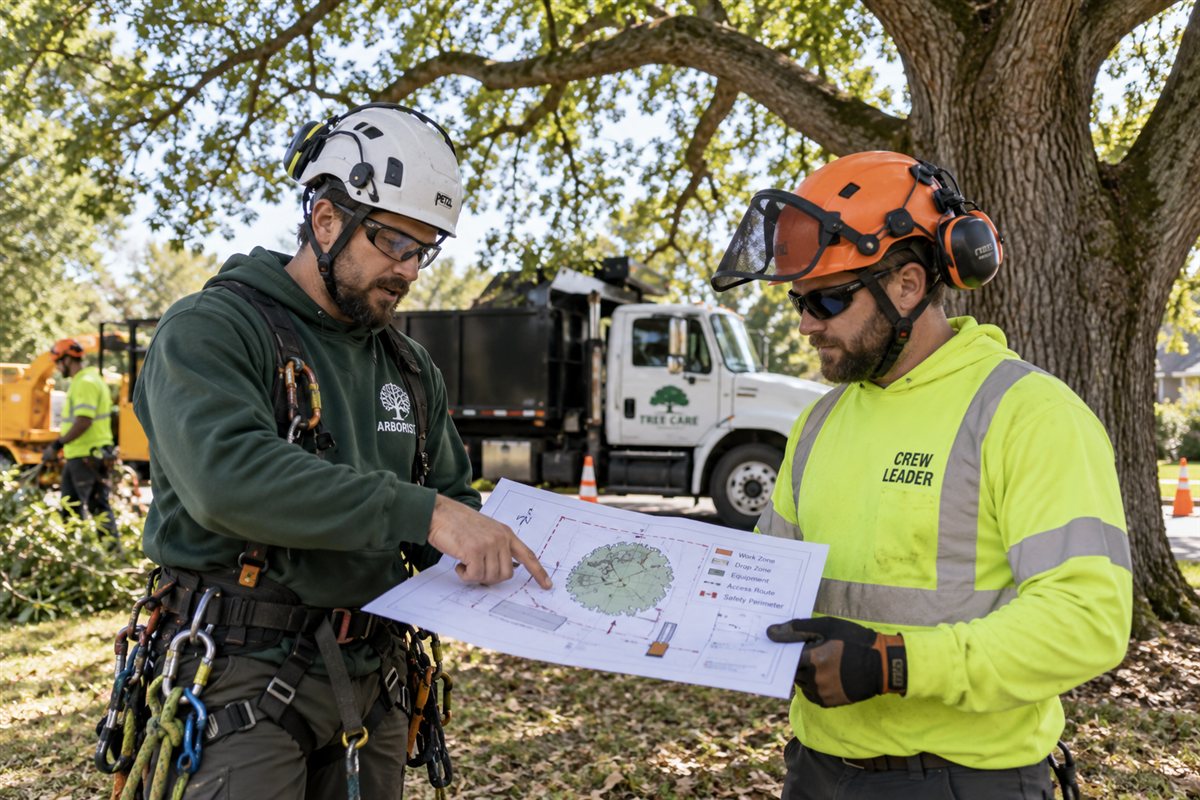
Customers may refer to trees by location, appearance or a nickname that makes sense only during the first conversation. The office needs to preserve enough context for quoting and crew coordination without making technical assumptions. A useful tree-care workflow keeps recognizable location labels, customer decisions and visit outcomes connected. CrewBarn's shared intake, field photos, quote signatures and dispatch records can support that commercial handoff from inquiry through payment.
Create labels everyone can recognize
Record the customer's location description and any photos supplied with the inquiry. Use stable labels such as front driveway tree or rear garden group. If the request covers several locations, keep each one identifiable rather than summarizing the whole property as general tree work.
Review the draft job before arranging the initial appointment. Include the contact who will discuss scope and any meeting arrangement. Flag descriptions that need clarification during the visit so the person attending knows which customer questions still need a clear business answer.
Make the quoted scope easy to compare
Use the same location labels in the quote and supporting field record. Describe what is included in each proposed option using customer-readable language. Distinguish the main work from any separately discussed additions so a signed choice has an understandable boundary.
Keep questions about the visit's commercial scope together, including any agreed cleanup or follow-up expectations. Record the signed selection before treating it as scheduled work. If the customer changes their request, update the decision trail so the crew receives the current approved plan.
Prepare a complete crew appointment
The scheduled job should connect location photos, approved scope, customer contact and access arrangements. Record preparation actions with owners, including any purchasing the business needs to coordinate. These are office handoff details; the record should not substitute for the crew's technical planning.
If timing changes, keep the revised appointment and customer communication with the job. Distinguish a proposed date from a confirmed one. A coordinator answering the next call should be able to explain which visit is arranged and what remains to be resolved beforehand.
Close against the customer's approved locations
Capture completion notes and field photos against the same labels used in the quote. Record time, parts and any customer-requested addition distinctly. If several appointments are involved, explain which scope was completed at this visit and what still needs a further appointment.
Before invoicing, compare the crew's record with the signed scope and outstanding commitments. Provide a clear next step for any remaining customer question. Portal messages and payment records can then remain attached to a job history that another office colleague can understand.
A handoff checklist for your team
- Do the photos match the quoted location labels?
- Which scope option has the customer signed?
- What cleanup or follow-up expectations were agreed?
- Who owns each outstanding visit preparation action?
- Which named locations still require further work?
See the connected workflow.
Explore how CrewBarn brings office planning, field work and the customer’s side of the job together.
Explore CrewBarn → Meet the customer portalProduct context: CrewBarn capabilities and customer portal details. This article discusses business workflows, not technical repair or compliance instructions.