
Keep fire and life safety visit records connected to the customer
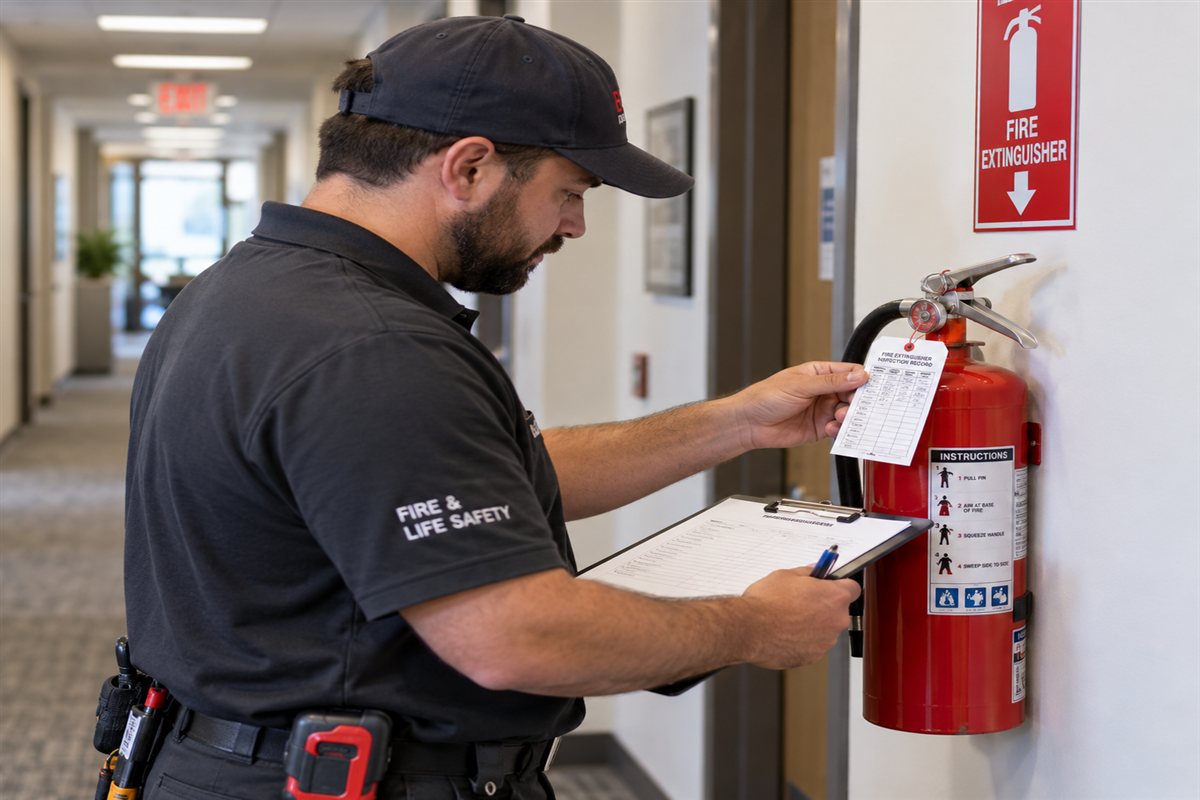
Fire and life safety businesses often return to the same properties, but familiarity can hide gaps in the handoff. A contact changes, an equipment label differs from the office record, or a customer asks for additional work during the visit. Build the workflow around identifiable equipment, a clear visit scope and reviewed follow-up requests. The aim is useful recordkeeping; a completed form should never be presented as a compliance guarantee.
Define what this visit is meant to document
Capture the customer's request alongside the property, site contact and equipment references already available. Distinguish a scheduled recordkeeping visit from a request for additional work. Before dispatch, let the office review any draft job created from a call, text or email.
Give the crew a concise scope with the expected records and the person authorized to answer questions. Keep previous visit notes attached to the equipment history where relevant. Avoid requiring technicians to reconstruct the last conversation from several disconnected message threads.
Make equipment references recognizable
Use the customer's existing names and location descriptions consistently across the job and equipment record. If the field label differs, record both descriptions rather than silently replacing one. A clear photo and a location note help the office review the discrepancy after the visit.
Separate a missing piece of information from a proposed change to the customer record. The technician can document what they found; the office can decide how the shared record should be updated. This preserves the context behind an equipment name or location correction.
Turn follow-up notes into reviewed work
Keep requested follow-up work distinct from the original visit scope. Record the customer's wording, the relevant equipment reference and supporting photos. The office then has enough context to prepare quote options without asking the field team to repeat the entire conversation.
A customer signature belongs with the document it acknowledges. Do not treat a visit acknowledgment as approval for every proposed follow-up item. Connect the accepted quote and its scope to the next job so dispatch and the crew see what was actually authorized.
Close the record before arranging the next visit
Review forms, photos, time and parts against the visit before invoicing. Flag unanswered customer questions with an owner instead of burying them in a closing note. A customer portal message can keep the discussion attached to the same customer context.
For recurring agreements, record what the next appointment covers and who coordinates access. Keep unfinished follow-up work visible separately from the recurring visit. Future scheduling should begin with the current customer and equipment record, including any changes reviewed by the office.
A handoff checklist for your team
- Which property and equipment references identify this visit?
- Who will provide access and answer scope questions?
- Which forms and photos should return to the office?
- Which follow-up items need a separate customer approval?
- Who owns corrections to the equipment history?
See the connected workflow.
Explore how CrewBarn brings office planning, field work and the customer’s side of the job together.
Explore CrewBarn → Meet the customer portalProduct context: CrewBarn capabilities and customer portal details. This article discusses business workflows, not technical repair or compliance instructions.