
Keep appliance repair return visits connected to the original request
An appliance repair request may move from intake to an initial visit, then pause while the customer considers a quote or a part is purchased. That pause creates a business handoff of its own. The office needs to know what has been approved and what is still outstanding; the technician needs the original appliance context when returning. Organize the workflow around those decisions rather than treating every visit as an unrelated job.
Collect the appliance identity once
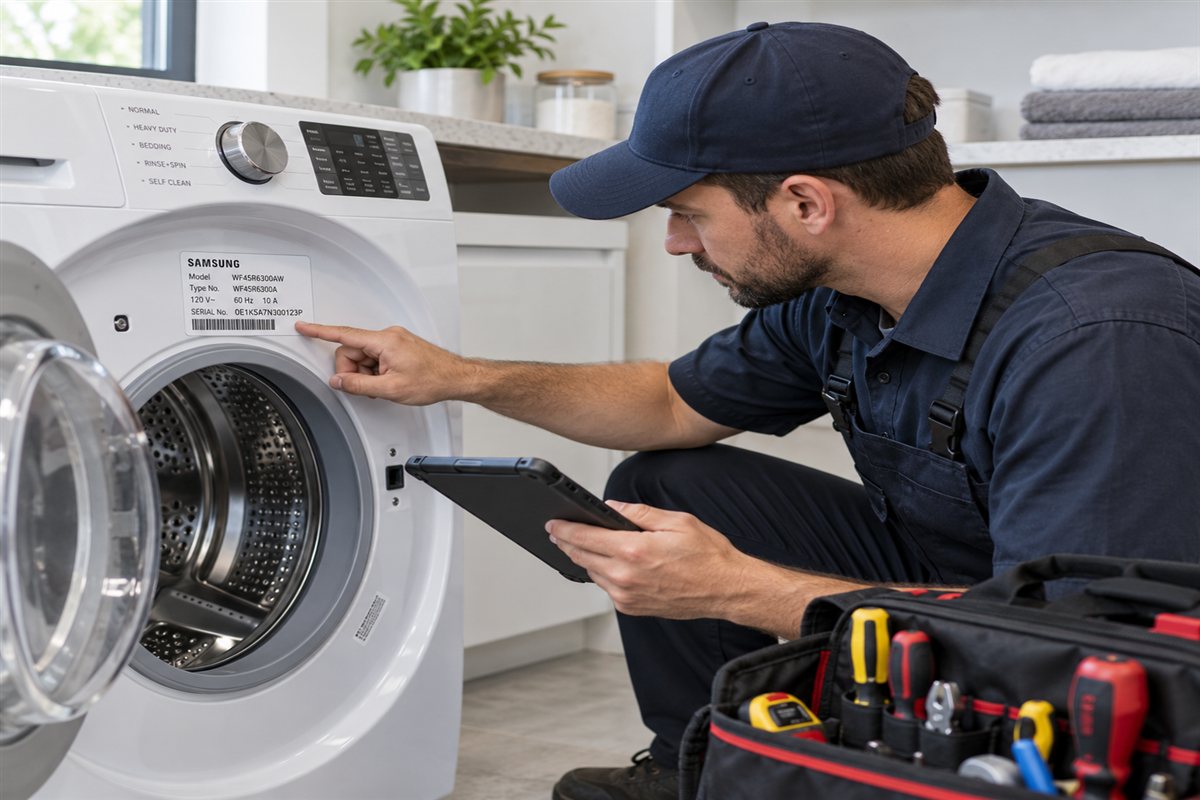
Record the appliance type, customer location and any model or serial information the customer provides. Preserve their description of the request without rewriting it as a technical conclusion. Ask for a relevant photo when a label or appliance location would clarify the record.
Before approving the draft job, check whether the customer already has equipment history for that appliance. Link the visit to the correct record where possible. Two similar appliances at one property should remain distinguishable to the office and the returning technician.
Make the first visit produce a usable handoff
Give the field team a consistent place to record photos, forms, time and parts. The office needs a clear account of what was completed, what the customer requested and what requires a later decision. Avoid a closing note that simply says to order parts.
If a quote is required, describe the proposed work and the relevant appliance reference. Keep options distinct so the customer's acceptance is clear. A signature on the accepted quote gives the office a concrete scope to carry into the return visit.
Review parts before promising a return date
Connect parts purchasing to the job that needs it. Record whether an item comes from existing stock or needs to be purchased, along with any office follow-up. A customer asking for a date should not force dispatch to reconstruct the purchasing conversation.
Before booking the return, review the available parts information and the accepted scope. Confirm the customer contact and appointment window again. Put the previous visit notes in the returning technician's job context, including any questions that remain unresolved.
Reconcile both visits before the final invoice
Compare recorded labor and parts with the approved work across the service visits. Identify customer additions separately so the office can review their approval. This helps the final invoice explain the work without presenting every field note as a billable item.
Leave the equipment history with a clear visit record and any outstanding customer question. Share invoice and payment information through the customer portal when appropriate. Future intake can then begin from the appliance's recorded history instead of a fresh conversation with no context.
A handoff checklist for your team
- Which appliance does the model or serial record identify?
- What remains undecided after the first visit?
- Which quote option did the customer accept?
- Are the return visit's parts recorded against this job?
- Which charges and notes span both service visits?
See the connected workflow.
Explore how CrewBarn brings office planning, field work and the customer’s side of the job together.
Explore CrewBarn → Meet the customer portalProduct context: CrewBarn capabilities and customer portal details. This article discusses business workflows, not technical repair or compliance instructions.